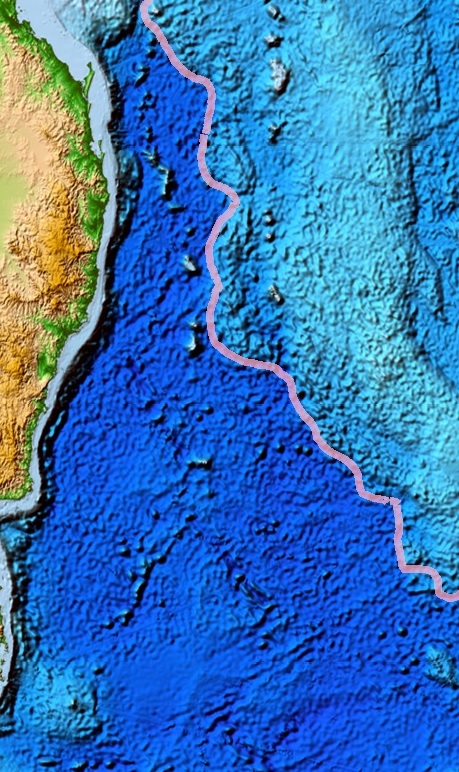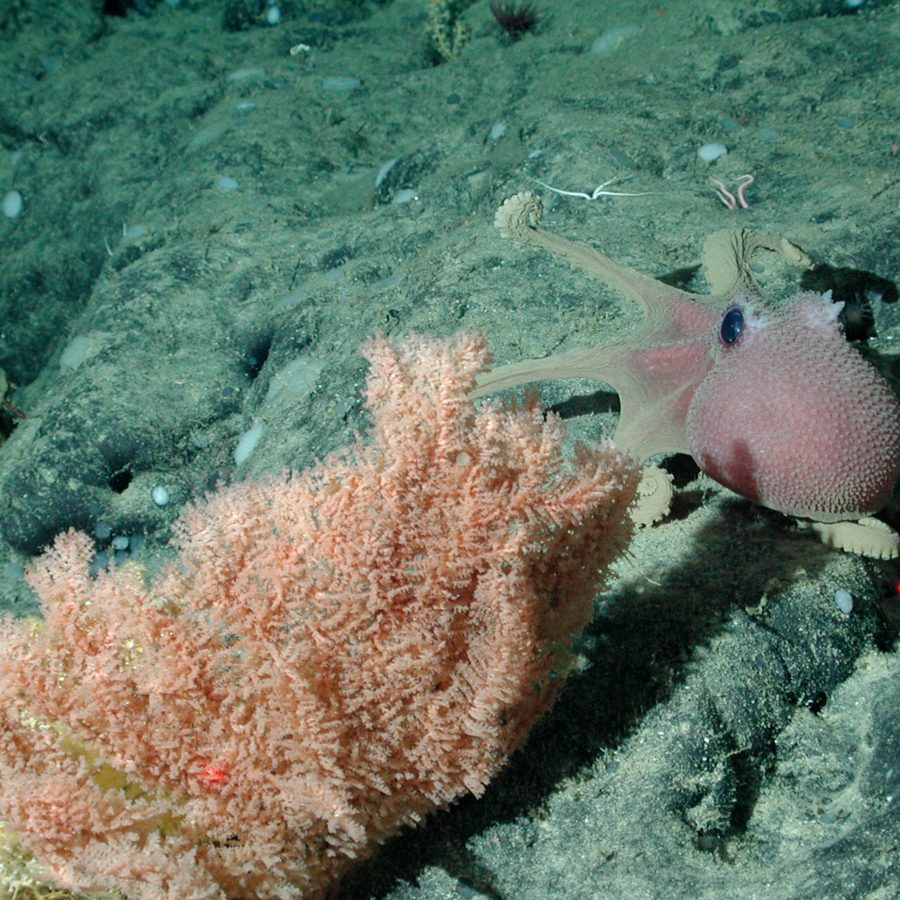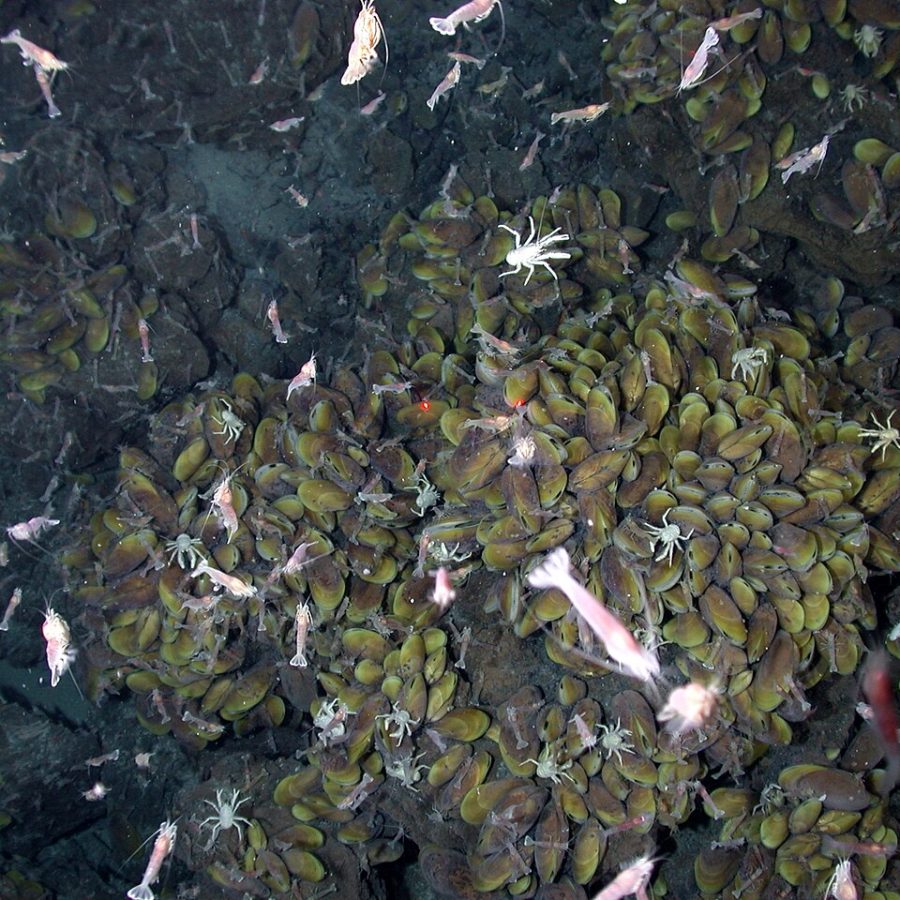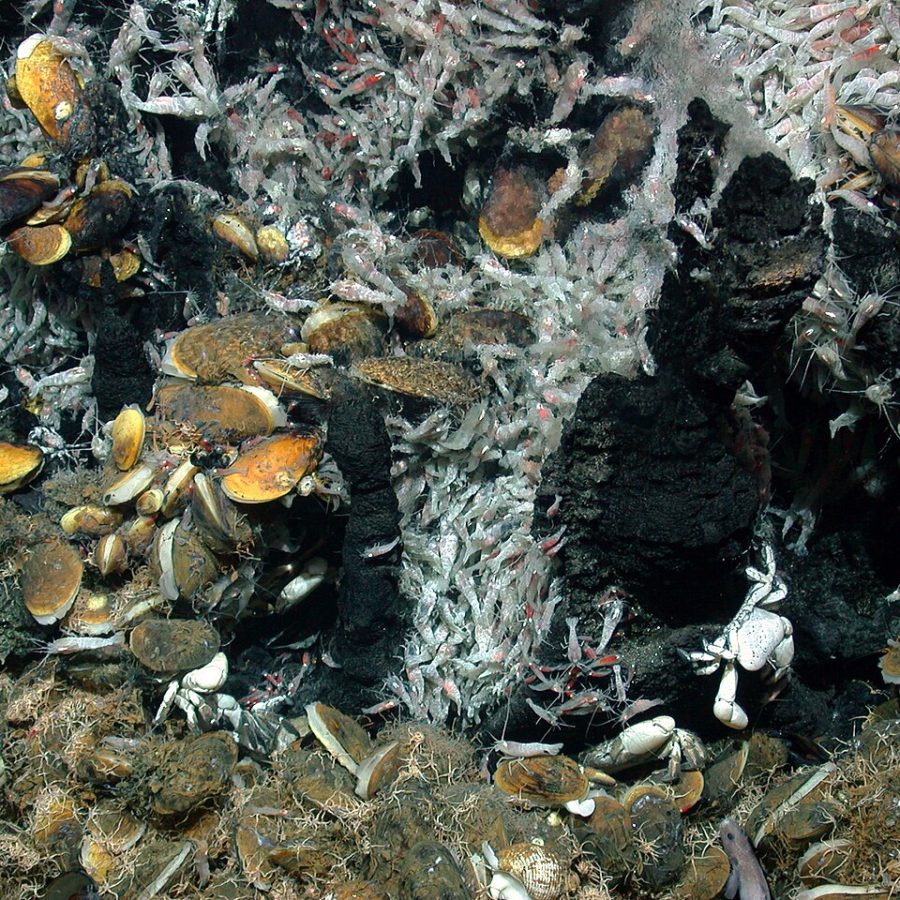
Fathom operates small, low-impact expeditions into the ocean's hadal and abyssal zones — cataloguing species, geology, and wreck sites that most research budgets can't justify visiting.
Fathom began in 2017 with one converted trawler and a conviction that deep-sea research didn't need a navy-scale budget to be rigorous. We still run a single vessel.
Every dive is logged publicly — depth, findings, and the ones that came back with nothing. Null results are still results, and we don't bury them to keep a clean record.
Every dive passes through the same five layers. The deeper we go, the less anyone actually knows.
Where most ocean life and nearly all research funding concentrates. We pass through it in minutes on the way down and rarely stop to look — the surveys here are already well covered.
Light fades to nothing by the bottom of this band. Most of our bioluminescence surveys happen here — organisms producing their own light because none is coming from above.
Permanent darkness, near-freezing water, crushing pressure. Fathom's standard operating depth for wreck and geology surveys sits in the upper half of this band.
Flat, sediment-covered, and mostly unmapped at any real resolution. Our deepest confirmed dive — 4,001 meters — sits right at this zone's upper edge.
Beyond Fathom's current vessel capability. We log candidate sites here for future expeditions with better-funded partners, but haven't dived it ourselves — yet.
Fathom runs one vessel with one rotating watch crew — no back office, no second team.
Follow the current expedition, or help fund the next one — Fathom is crowd- and grant-funded, with no commercial sponsor attached to any finding.